
The OSCE Academy’s Associate Research Fellowship (ARF) programme aims to support PhD Candidates and/or Post-Doctoral researchers in conducting their research projects and provide institutional affiliation to independent researchers. The length of the fellowship is from six to twelve months and is open for both Bishkek-based and non-Bishkek residents.
The Academy provides Fellows with access to the library and all available online resources. Also, Fellows have an opportunity to present their research and to deliver a lecture to students and the public once they publish their research work with the Academy.
Funding
The Fellowship is unpaid. Travel and living costs (if any) to visit the OSCE Academy for public presentations must be covered by the fellows.
The Associate Research Fellowship allows/expects to:
– make a presentation on her/his research to an interested audience, organized by the Academy;
– make a contribution to one of the following publishing outlets of the OSCE Academy in Bishkek:
Eligibility
– Preferably PhD Candidates, Post-Doctoral researchers, and/or researchers with a proven publication record in the field of social sciences;
– Excellent knowledge of English;
– Clearly identified area of expertise / research interest in line with the Academy’s research agenda.
To apply please send to arf@osce-academy.net:
– Cover Letter specifying the duration of stay;
– Curriculum Vitae;
– A short project proposal and a plan for the implementation of the research project;
– 2-3 latest publications;
– A short paragraph describing what kind of support is requested from the OSCE Academy.
Vladyslav Butenko, 2026
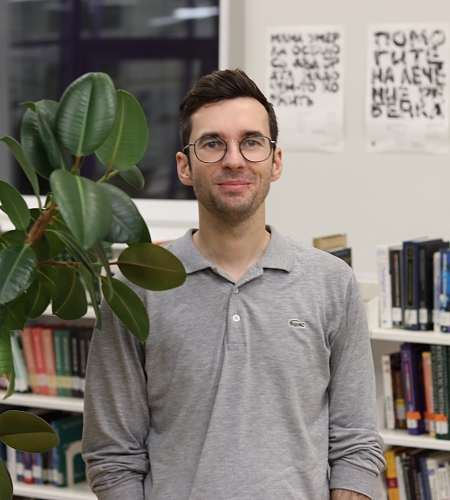
Research Title: Migration Governance under Geopolitical Pressure: How Central Asian States Adapt Labour-Migration Policies amid the Transformation of Russia-Centred Mobility Regimes
Vladyslav Butenko is an independent researcher who holds a PhD in Political Science and specializes in international relations, European studies, comparative politics, and migration studies. His research focuses on immigrant integration, Europeanization, and the political dimensions of mobility in Europe and Central Asia. He primarily employs qualitative methods, including comparative case study analysis and process tracing. He is a member of the Academic Council on the United Nations System, the European Consortium for Political Research, and the International Migration Research Network.
Leon Sinfield, 2026

Research Title: Russian Mediation in the Nagorno-Karabakh Conflict: Implications for Central Asia
Leon Sinfield is a PhD candidate in International Relations at the London School of Economics (LSE). His PhD research explores the role of status seeking in Russia’s and China’s promotion of norms through conflict mediation. More broadly, his research interests encompass the foreign policies of Russia and China with a focus on their role in post-Soviet Eurasia and the Middle East. In 2025-26, Leon complete a year of seminar teaching on the Foreign Policy Analysis course at LSE. He spent three months as a visiting researcher at the Shanghai International Studies University and undertook internships as a research assistant at the Austrian Institute for International Affairs (OIIP) and the Institute of International Relations Prague (IIR). His analysis of international affairs has been published by The Diplomat, World Politics Review, Council on Geostrategy and the Central European Institute of Asian Studies.
Iana Ovsiannikova, 2026
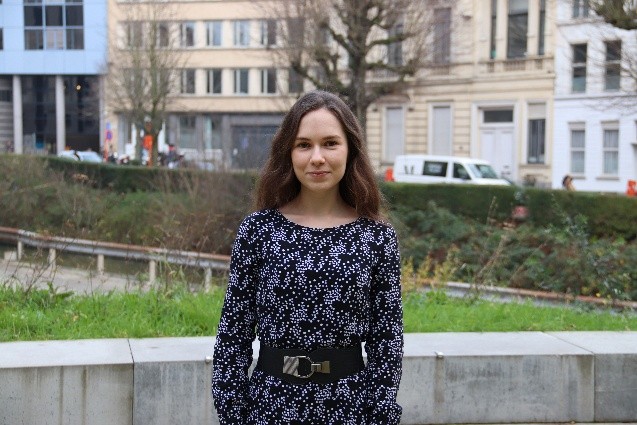
Research Title: Regional sanctions governance: cooperation, leadership and adaptation
The PhD project analyses regional agency in response to sanctions through three theoretical mechanisms: coordination, leadership and adaptation. Overpassing the Western-centric binary nature of ‘target – sanctioning state’ relations, this research puts forward the agency of regions which have traditionally been perceived as ‘explanatory variable’ in sanctions effectiveness research. On the cases of Africa and Central Asia, the dissertation explores how regions interact with sanctions, asking a broader question of whether sanctions stipulated any process of regionalisation across various axes of sanctions.
Przemyslaw Ozierski, 2026
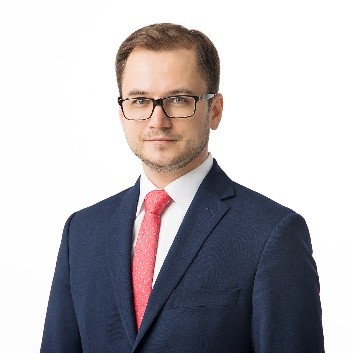
Research Title: Nuclear Energy, Water Security, and Technology Choices in Central Asia
Przemyslaw Ozierski is a senior researcher on governance and security in Central Asia, affiliated with the Central Asia Strategic Center for Analysis, Dialogue and Development (CASCADD). With over fifteen years of regional experience – including roles with the Polish Investment and Trade Agency and projects for organizations such as the PeaceNexus Foundation, Search for Common Ground, and CIPE – his work bridges policy research and practical application. His policy-oriented research examines multiple governance angles, including investment and connectivity dynamics, sustainability challenges, the political economy of strategic resources, and the institutional dimensions of emerging security threats. He concurrently contributes to applied capacity-building in the areas of Freedom of Religion or Belief (FoRB) and Preventing/Countering Violent Extremism (P/CVE), and is a member of the EU Knowledge Hub on the Prevention of Radicalisation.
Matthew Heneghan, 2026
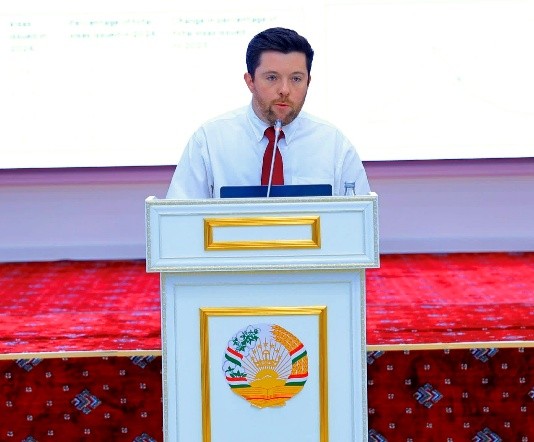
Research Title: Political Economy of Labour Migration, Remittances and Development in Central Asia
Matthew Heneghan is a doctoral researcher in the School of Social and Political Sciences at the University of Glasgow, funded by the Economic and Social Research Council. His research focuses on the political economy of labour migration, remittances and development in Central Asia. For his doctoral project, he explores how the consolidation of the so-called ‘remittances-to-development’ agenda and broader financialisation regimes in labour-exporting states has shaped distinct sovereign development trajectories. He is currently a Visiting Research Fellow at the Institute for Advanced International Studies, University of World Economy and Diplomacy in Tashkent and previously held Research Assistant positions with the LSE IDEAS think-tank and Tufts University. He teaches on courses in Political Economy and International Relations at the University of Edinburgh, Central European University and the University of World Economiy and Diplomacy in Tashkent. Aside from this, he has consulted for a range of international development organizations on projects relating to migration, public policy and risk management. He is a graduate of the London School of Economics and Political Science, the University of Edinburgh and Lomonosov Moscow State University.
Domagoj Mihaljevic, 2025
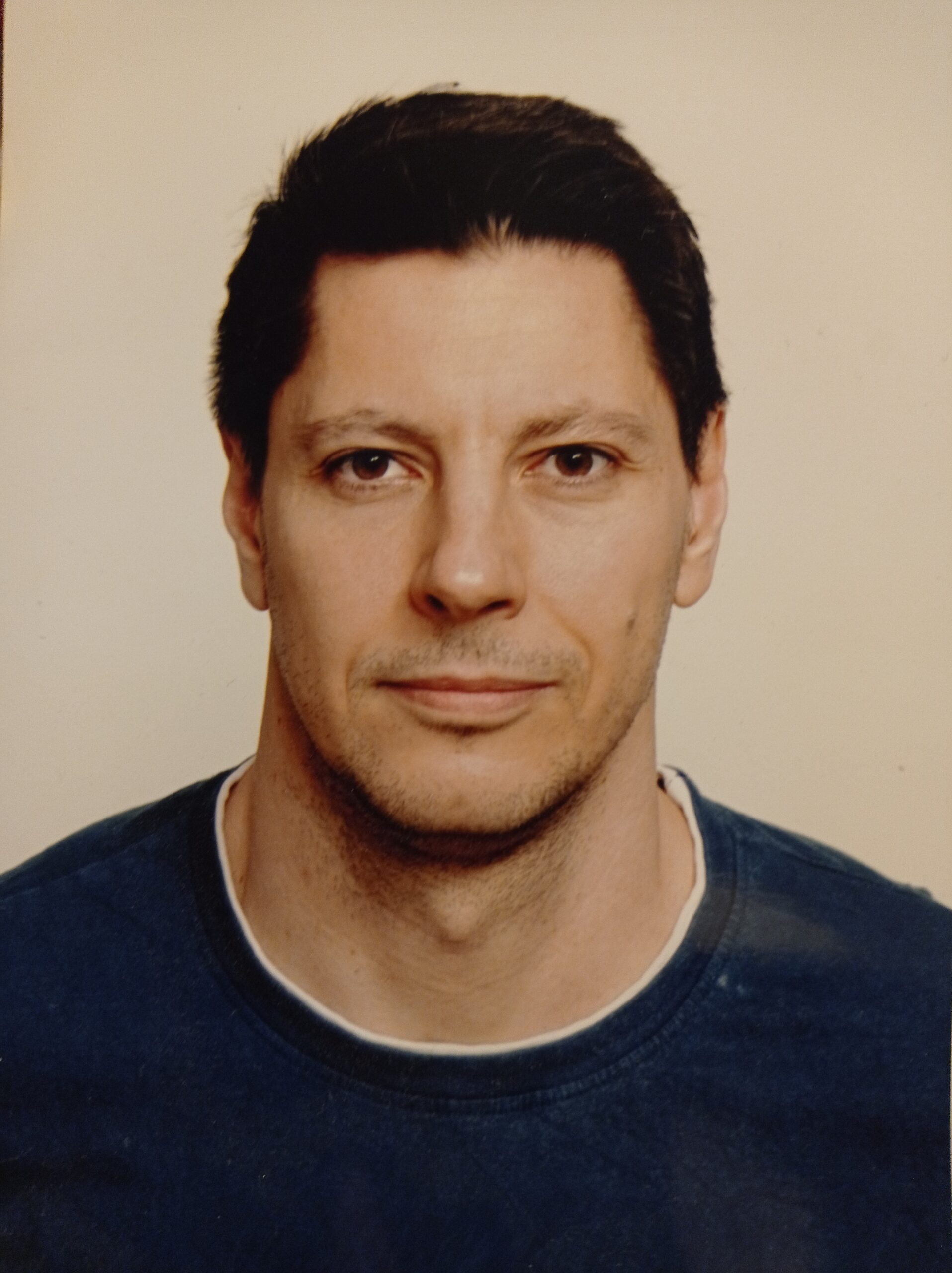
Research Title: Kyrgyzstan’s Re-Export Economy as Power Balancing
Domagoj Mihaljevic is currently a PhD candidate at the University of Nottingham. His thesis focuses on Yugoslavia’s economic strategies for integrating into the world market in the period 1945-1970. The aim of the research is to show the importance of the broader context of Cold War governance and global development policy in structuring internal Yugoslav political debates on economic policies, trade integration, and foreign debt structures.
Matteo Benussi, 2025

Research Title: Memory and Morality of Conflict: Volunteer in Arms in, out, and across Post-socialist Eurasia
Matteo Benussi is a social and cultural anthropologist based at Ca’ Foscari University of Venice, specializing in religion, ethics, politics, and space-making in Eurasia. Prior to returning to his Alma Mater in Venice, he completed his PhD at the University of Cambridge and pursued postdoctoral training as a Marie Curie Global Fellow at UC Berkeley. Matteo has conducted research on Islamic piety movements and halal living in Tatarstan, the legacies of the Chornobyl disaster in Ukraine, post-Soviet heritage politics, as well as the intertwinings of matter, faith, and infrastructure. He is currently exploring topics of war, poetry, time, justice, and political theology/ontology amid Eurasia’s geopolitical convulsions.
Leonardo Zanatta, 2024

Research Title: Ontological Security, Collective Memory, and Narratives: Rethinking Russia’s Role in the Nagorno-Karabakh Conflict
Leonardo Zanatta is a Ph.D. candidate in International Relations and Security Studies and a teaching assistant at Corvinus University in Budapest, Hungary. His doctoral research focuses on Russia’s role in the Nagorno-Karabakh conflict, particularly in the interplay between security, historical narratives, and emotions. He investigates how this dynamic has influenced the Kremlin’s security practices in the conflict and the current status of Russian-Armenian relations. He also holds a B.A. in International and Diplomatic Affairs and an M.A. in Interdisciplinary Research and Studies on Eastern Europe from Bologna University.
Vincenzo Alfano, 2023

Research Title: Governance, Non-Pharmaceutical Interventions (NPIs), and Vaccination rates. The second and third waves of COVID-19 Pandemic in Central Asia: Implications for Good Governance
Dr. Vincenzo Alfano holds the position of Research Fellow in Political Economy at the University of Napoli Parthenope. He is also an associate to the Institute for the Mediterranean of the Italian National Research Council and to the Center for Economic Studies – CESifo. Also, he is a research fellow at the Global Labour Organization – GLO and a fellow at Italy’s National University Centre for Applied Economic Studies – CiMET. Moreover, he serves as a board member of several scientific journals and is Academic Editor for Plos One. Before being appointed to this position, Dr. Alfano had worked as a Senior Lecturer in Economics at Westminster International University in Tashkent. Dr. Alfano has broad research interests; he studies different incentive systems, the institutions that create them, and their effects, and interactions in a variety of different contexts. In particular, his recent contributions focus on a variety of subjects, from health economics and public health to the economic impact of religion and sports economics, also within the context of Central Asia.
Alberica Camerani, 2023

Research Title: Enterprising Women in Kyrgyzstan: Insights into the Interaction of Gender and Entrepreneurship
Alberica Camerani is a doctoral researcher at Dublin City University, where she also works as a Marie Curie Early Stage Researcher within the Innovative Training Network “Markets” (EU-MSCA grant). In her doctoral project, she focuses on the influence of the socio-cultural environment on female entrepreneurship in Kyrgyzstan, where she has three years of working and researching experience. More broadly, her research interests encompass gender, nation-building, and social transformation in Central Asia. She holds a double master’s degree from the University College of London and the Higher School of Economics in Economy, State and Society with a focus on the post-Soviet space. Recently, she joined the World Economic Forum Expert Network as a member advising on Gender Equality, Entrepreneurship and Future of Government.
Tommaso Aguzzi, 2023
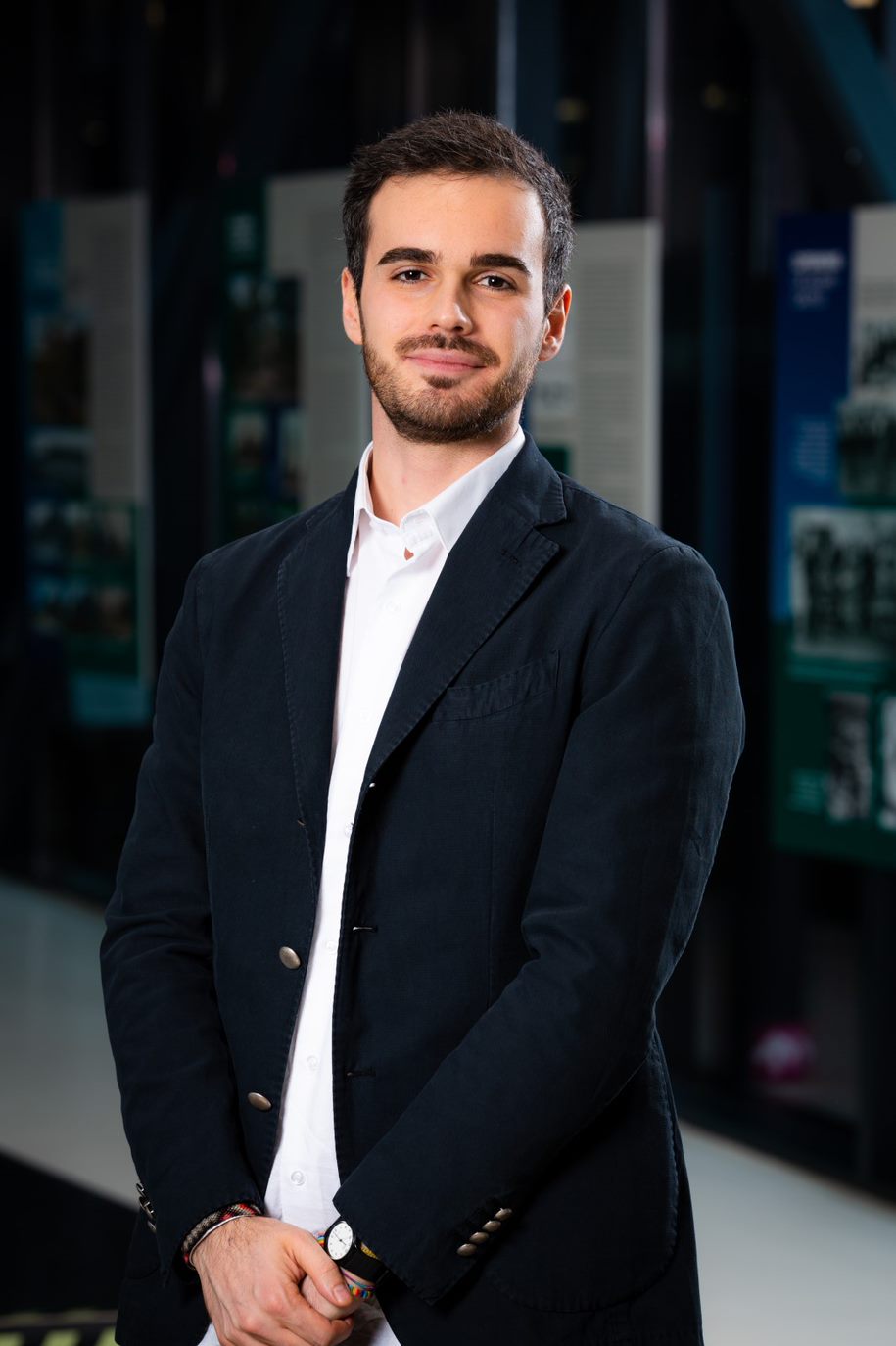
Research Title: Understanding Informality in Kazakhstan: A Study of Informal Entrepreneurial Attitudes, Behaviours and Practices
Tommaso Aguzzi is a Ph.D. Candidate within the Innovative Training Network MARKETS programme at Tallinn University of Technology (TalTech), Estonia. He holds a double Master’s degree in Global Studies from the University of Vienna and Roskilde University, as well as a Bachelor’s degree in International Development and Cooperation from the University of Bologna. His research interests focus on the practices of informal entrepreneurs operating in the Central Asian region. In particular, he is interested in understanding informal entrepreneurship and seeks to understand how social norms, morale, and business ethics are constructed by micro-entrepreneurs and the self-employed, and whether and how they deviate from the codified laws and regulation set by formal institutions.
Giulio Benedetti, 2023

Research Title: The Role of Labor Intermediaries in the Migration Corridor from Central Asia to the EU
Giulio Benedetti is a PhD candidate at the Stockholm School of Economics in Riga and a Marie Curie Early Stage Researcher in the Horizon 2020-funded International Training Network “Markets”. His research focuses on informality and migration in the post-Soviet space. Currently, he focuses on informality and the role of intermediaries of migration.
Eugenia Pesci, 2023

Research Title: Activating the Unemployed? Employment Support Policies in Kazakhstan and Kyrgyzstan
Eugenia Pesci is a doctoral researcher at the Aleksanteri Institute, University of Helsinki. She is a Marie Curie Early Stage Researcher in the Horizon 2020-funded International Training Network “Markets”. Her research focuses on the development of labour market and employment policies in Kyrgyzstan and Kazakhstan. She is interested in analysing how global active labour market policies are translated and adapted in the context of highly informalised labour markets, by investigating how the notion of unemployment is being constructed through the activation framework in social policy. She is particularly interested in the perspective of the local bureaucracies and in understanding how they translate the policies into practices at the street-level. Methodologically, her study relies on in-depth interviews with a wide range of local and international stakeholders, participant observation, and analysis of official legislation, policies, programs, and reports. She holds a Master’s degree in East European Studies from the University of Bologna, Italy.